
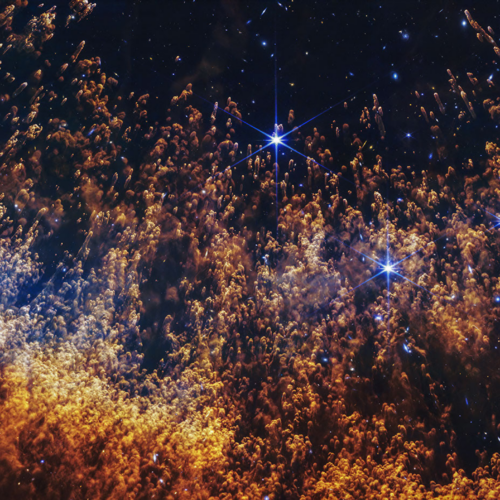
Webb reveals a planetary nebula with phenomenal clarity, and it is spectacular

BIAS: Lean Left
RELIABILITY: High

Political Bias Rating

This rating indicates the source’s editorial stance on the political spectrum, based on analysis from Media Bias/Fact Check, AllSides, and Ad Fontes Media.

Far Left / Left: Progressive editorial perspective
Lean Left: Slightly progressive tendency
Center: Balanced, minimal editorial slant
Lean Right: Slightly conservative tendency
Right / Far Right: Conservative editorial perspective

Current source: Lean Left. Stories with cross-spectrum coverage receive elevated prominence.

Reliability Rating

This rating measures the source’s factual accuracy, sourcing quality, and journalistic standards based on third-party fact-checking assessments.

Very High: Exceptional accuracy, rigorous sourcing
High: Strong factual reporting, minor issues rare
Mixed: Generally accurate but occasional concerns
Low: Frequent errors or misleading content
Very Low: Unreliable, significant factual issues

Current source: High. Higher reliability sources receive elevated weighting in story prioritization.

Ars Technica
23:33Z

The Helix Nebula is one of the most well-known and commonly photographed planetary nebulae because it resembles the ” Eye of Sauron .” It is also one of the closest bright nebulae to Earth, located approximately 655 light-years from our Solar System. You may not know what this particular nebula looks like when reading its name, but the Hubble Space Telescope has taken some iconic images of it over the years. And almost certainly, you’ll recognize a photograph of the Helix Nebula, shown below.

Like many objects in astronomy, planetary nebulae have a confusing name, since they are formed not by planets but by stars like our own Sun, though a little larger. Near the end of their lives, these stars shed large amounts of gas in an expanding shell that, however briefly in cosmological time, put

Continue reading at the original source

Read Full Article at Ars Technica →