
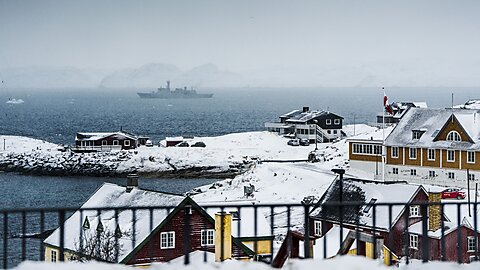
Toward a More Prudent US Greenland Policy

BIAS: Lean Right
RELIABILITY: High

Political Bias Rating

This rating indicates the source’s editorial stance on the political spectrum, based on analysis from Media Bias/Fact Check, AllSides, and Ad Fontes Media.

Far Left / Left: Progressive editorial perspective
Lean Left: Slightly progressive tendency
Center: Balanced, minimal editorial slant
Lean Right: Slightly conservative tendency
Right / Far Right: Conservative editorial perspective

Current source: Lean Right. Stories with cross-spectrum coverage receive elevated prominence.

Reliability Rating

This rating measures the source’s factual accuracy, sourcing quality, and journalistic standards based on third-party fact-checking assessments.

Very High: Exceptional accuracy, rigorous sourcing
High: Strong factual reporting, minor issues rare
Mixed: Generally accurate but occasional concerns
Low: Frequent errors or misleading content
Very Low: Unreliable, significant factual issues

Current source: High. Higher reliability sources receive elevated weighting in story prioritization.

CATO
14:03Z

Justin Logan and Sumantra Maitra The current rhetoric surrounding Greenland is counterproductive. Instead of suggesting the United States may annex the island, Washington should instead open the door to security cooperation and investment in Greenland, which will benefit both sides in the long run. , Proponents of annexing Greenland offer three main US interests in the Arctic , but none of them require annexing Greenland.

First, due to global warming, the Arctic is growing into an important trade and military route, and Washington should not allow rival great powers to establish a security cordon around those routes. Second, in an era of consolidation of high-tech supply chains, the United States needs a steady supply of rare earth elements and, more generally, critical minerals , especial

Continue reading at the original source

Read Full Article at CATO →