
The Kimwolf Botnet is Stalking Your Local Network

BIAS: Center
RELIABILITY: Very High
Political Bias Rating

This rating indicates the source’s editorial stance on the political spectrum, based on analysis from Media Bias/Fact Check, AllSides, and Ad Fontes Media.

Far Left / Left: Progressive editorial perspective
Lean Left: Slightly progressive tendency
Center: Balanced, minimal editorial slant
Lean Right: Slightly conservative tendency
Right / Far Right: Conservative editorial perspective

Current source: Center. Stories with cross-spectrum coverage receive elevated prominence.

Reliability Rating

This rating measures the source’s factual accuracy, sourcing quality, and journalistic standards based on third-party fact-checking assessments.

Very High: Exceptional accuracy, rigorous sourcing
High: Strong factual reporting, minor issues rare
Mixed: Generally accurate but occasional concerns
Low: Frequent errors or misleading content
Very Low: Unreliable, significant factual issues

Current source: Very High. Higher reliability sources receive elevated weighting in story prioritization.

Krebs on Security
14:20Z

The story you are reading is a series of scoops nestled inside a far more urgent Internet-wide security advisory. The vulnerability at issue has been exploited for months already, and it’s time for a broader awareness of the threat. The short version is that everything you thought you knew about the security of the internal network behind your Internet router probably is now dangerously out of date.

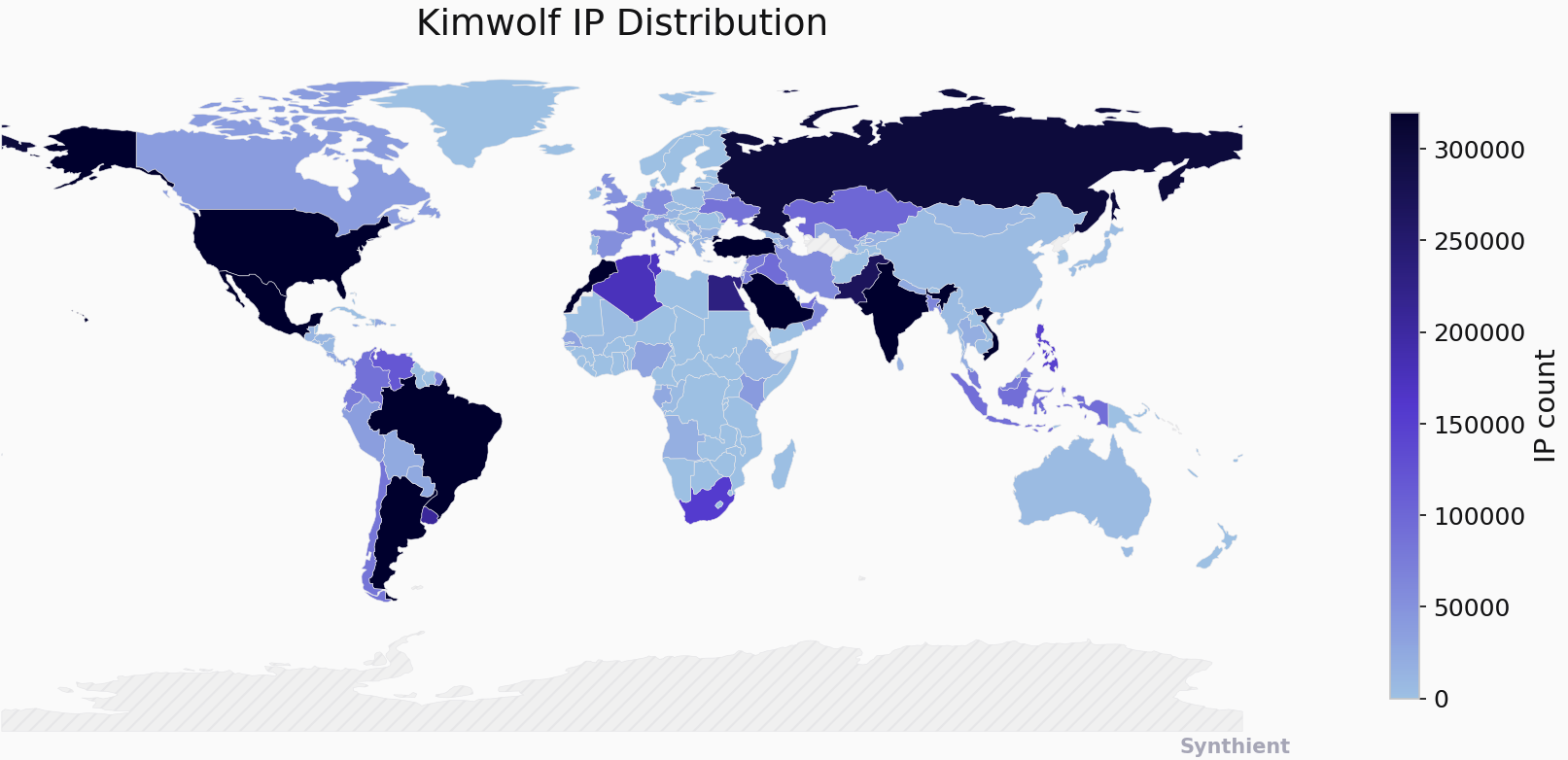
The security company Synthient currently sees more than 2 million infected Kimwolf devices distributed globally but with concentrations in Vietnam, Brazil, India, Saudi Arabia, Russia and the United States. Synthient found that two-thirds of the Kimwolf infections are Android TV boxes with no security or authentication built in. The past few months have witnessed the explosive growth of a new b

Continue reading at the original source

Read Full Article at Krebs on Security →