
SMS Phishers Pivot to Points, Taxes, Fake Retailers

BIAS: Center
RELIABILITY: Very High
Political Bias Rating

This rating indicates the source’s editorial stance on the political spectrum, based on analysis from Media Bias/Fact Check, AllSides, and Ad Fontes Media.

Far Left / Left: Progressive editorial perspective
Lean Left: Slightly progressive tendency
Center: Balanced, minimal editorial slant
Lean Right: Slightly conservative tendency
Right / Far Right: Conservative editorial perspective

Current source: Center. Stories with cross-spectrum coverage receive elevated prominence.

Reliability Rating

This rating measures the source’s factual accuracy, sourcing quality, and journalistic standards based on third-party fact-checking assessments.

Very High: Exceptional accuracy, rigorous sourcing
High: Strong factual reporting, minor issues rare
Mixed: Generally accurate but occasional concerns
Low: Frequent errors or misleading content
Very Low: Unreliable, significant factual issues

Current source: Very High. Higher reliability sources receive elevated weighting in story prioritization.

Krebs on Security
23:02Z

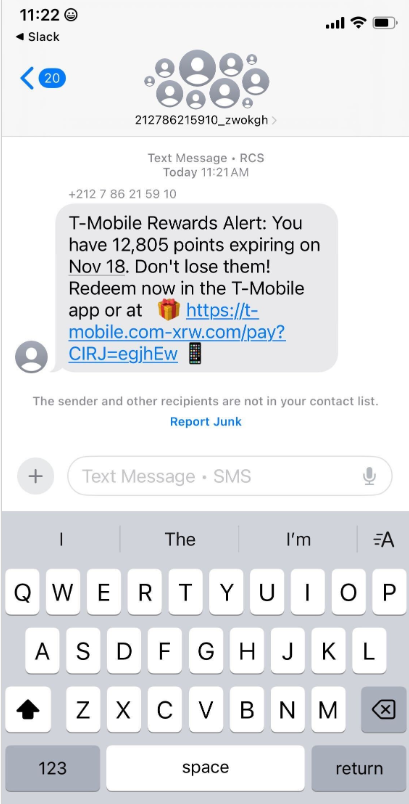
China-based phishing groups blamed for non-stop scam SMS messages about a supposed wayward package or unpaid toll fee are promoting a new offering, just in time for the holiday shopping season: Phishing kits for mass-creating fake but convincing e-commerce websites that convert customer payment card data into mobile wallets from Apple and Google. Experts say these same phishing groups also are now using SMS lures that promise unclaimed tax refunds and mobile rewards points. Over the past week, thousands of domain names were registered for scam websites that purport to offer T-Mobile customers the opportunity to claim a large number of rewards points.

The phishing domains are being promoted by scam messages sent via Apple’s iMessage service or the functionally equivalent RCS messaging servi

Continue reading at the original source

Read Full Article at Krebs on Security →