
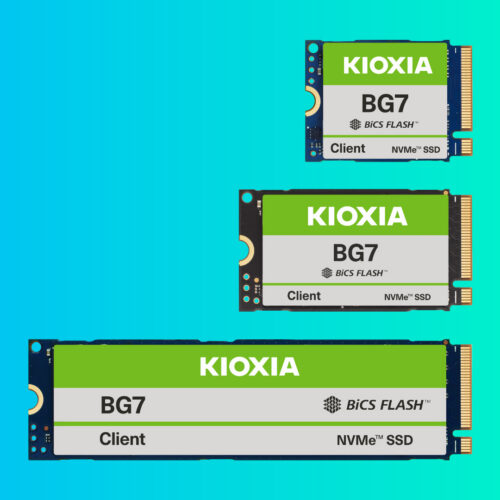
Kioxia’s memory is “sold out” for 2026, prolonging a “high-end and expensive phase”

BIAS: Lean Left
RELIABILITY: High

Political Bias Rating

This rating indicates the source’s editorial stance on the political spectrum, based on analysis from Media Bias/Fact Check, AllSides, and Ad Fontes Media.

Far Left / Left: Progressive editorial perspective
Lean Left: Slightly progressive tendency
Center: Balanced, minimal editorial slant
Lean Right: Slightly conservative tendency
Right / Far Right: Conservative editorial perspective

Current source: Lean Left. Stories with cross-spectrum coverage receive elevated prominence.

Reliability Rating

This rating measures the source’s factual accuracy, sourcing quality, and journalistic standards based on third-party fact-checking assessments.

Very High: Exceptional accuracy, rigorous sourcing
High: Strong factual reporting, minor issues rare
Mixed: Generally accurate but occasional concerns
Low: Frequent errors or misleading content
Very Low: Unreliable, significant factual issues

Current source: High. Higher reliability sources receive elevated weighting in story prioritization.

Ars Technica
20:37Z

The companies that make RAM and flash memory chips are enjoying record profits because of the AI-induced memory crunch—and they’re also indicating that they don’t expect conditions to improve much if at all in 2026. And while RAM kits have been hit the fastest and hardest by shortages and price increases, we shouldn’t expect SSD pricing to improve any time soon, either. That’s the message from Shunsuke Nakato ( via PC Gamer ), managing director of the memory division of Kioxia, the Japanese memory company that was spun off from Toshiba at the end of the 2010s.

Nakato says that Kioxia’s manufacturing capacity is sold out through the rest of 2026, driving the market for both enterprise and consumer SSDs to a “high-end and expensive phase.” “There is a sense of crisis that companies will be e

Continue reading at the original source

Read Full Article at Ars Technica →