
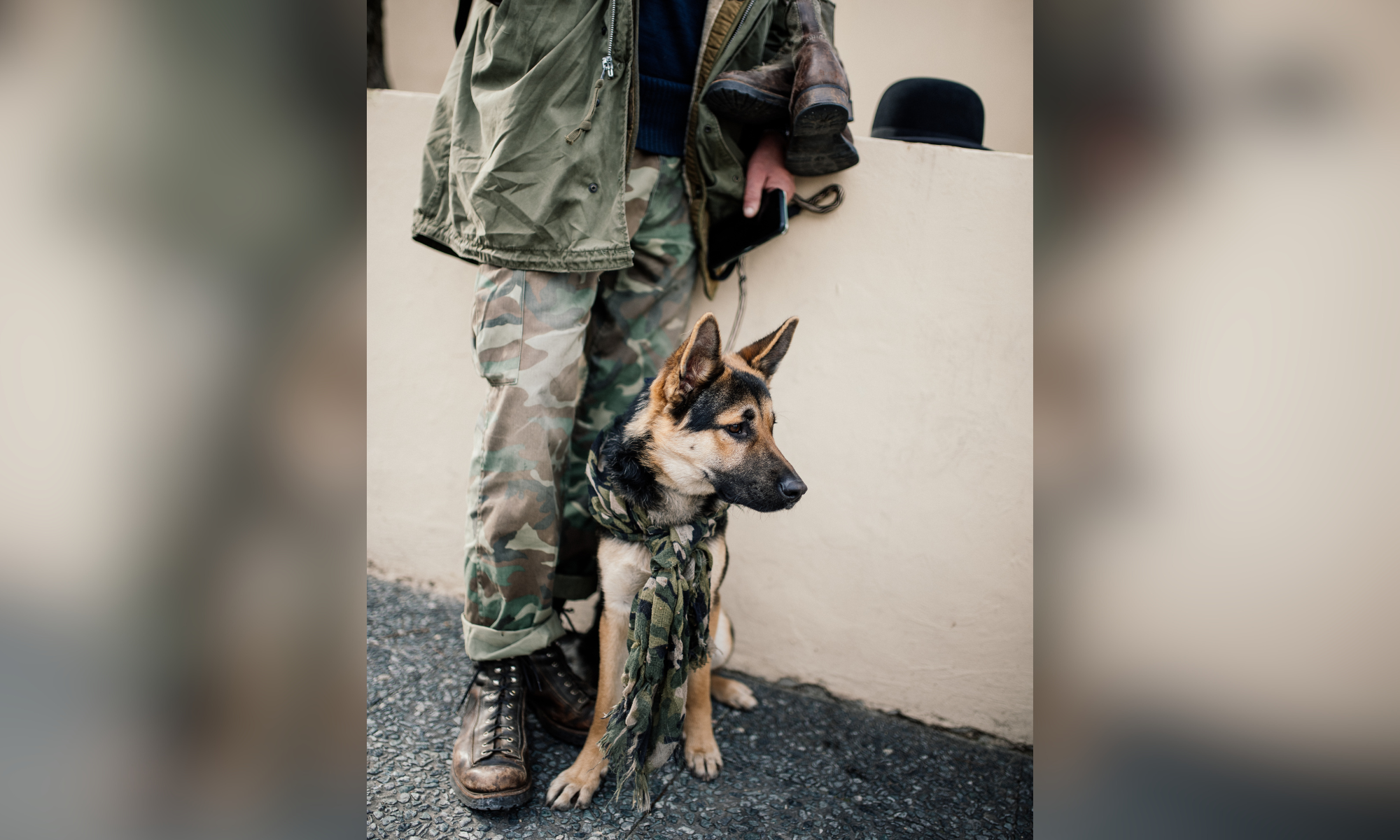
How fashion borrowed military aesthetics and lost the context

BIAS: Center
RELIABILITY: Low

Political Bias Rating

This rating indicates the source’s editorial stance on the political spectrum, based on analysis from Media Bias/Fact Check, AllSides, and Ad Fontes Media.

Far Left / Left: Progressive editorial perspective
Lean Left: Slightly progressive tendency
Center: Balanced, minimal editorial slant
Lean Right: Slightly conservative tendency
Right / Far Right: Conservative editorial perspective

Current source: Center. Stories with cross-spectrum coverage receive elevated prominence.

Reliability Rating

This rating measures the source’s factual accuracy, sourcing quality, and journalistic standards based on third-party fact-checking assessments.

Very High: Exceptional accuracy, rigorous sourcing
High: Strong factual reporting, minor issues rare
Mixed: Generally accurate but occasional concerns
Low: Frequent errors or misleading content
Very Low: Unreliable, significant factual issues

Current source: Low. Higher reliability sources receive elevated weighting in story prioritization.

Army Times
15:00Z

For most of modern American history, military uniforms were designed to disappear. Camouflage patterns were designed to break up a human silhouette in various environments. Load-bearing vests, cargo pockets, reinforced boots and standardized cuts were functional necessities — solutions to problems that involved weight, heat, concealment and survival.

Over the last two decades, however, those solutions have been pulled into civilian fashion, stripped of context and resold as style. Camo pants appear on runways. Tactical vests are worn to music festivals.

Combat boots become seasonal staples. What was once functional equipment tied to service, sacrifice and sometimes trauma is now treated as visual shorthand for toughness or rebellion. Ralph Lauren can’t stop ripping off military clothing Ca

Continue reading at the original source

Read Full Article at Army Times →