
Cyber & Technology

Has Gemini surpassed ChatGPT? We put the AI models to the test.

BIAS: Lean Left
RELIABILITY: High

Political Bias Rating

This rating indicates the source’s editorial stance on the political spectrum, based on analysis from Media Bias/Fact Check, AllSides, and Ad Fontes Media.

Far Left / Left: Progressive editorial perspective
Lean Left: Slightly progressive tendency
Center: Balanced, minimal editorial slant
Lean Right: Slightly conservative tendency
Right / Far Right: Conservative editorial perspective

Current source: Lean Left. Stories with cross-spectrum coverage receive elevated prominence.

Reliability Rating

This rating measures the source’s factual accuracy, sourcing quality, and journalistic standards based on third-party fact-checking assessments.

Very High: Exceptional accuracy, rigorous sourcing
High: Strong factual reporting, minor issues rare
Mixed: Generally accurate but occasional concerns
Low: Frequent errors or misleading content
Very Low: Unreliable, significant factual issues

Current source: High. Higher reliability sources receive elevated weighting in story prioritization.

Ars Technica
15:03Z

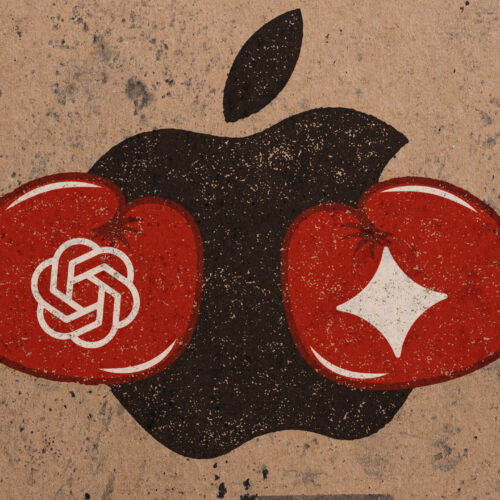
The last time we did comparative tests of AI models from OpenAI and Google at Ars was in late 2023 , when Google’s offering was still called Bard. In the roughly two years since, a lot has happened in the world of artificial intelligence. And now that Apple has made the consequential decision to partner with Google Gemini to power the next generation of its Siri voice assistant, we thought it was high time to do some new tests to see where the models from these AI giants stand today.

For this test, we’re comparing the default models that both OpenAI and Google present to users who don’t pay for a regular subscription—ChatGPT 5.2 for OpenAI and Gemini 3.2 Fast for Google. While other models might be more powerful, we felt this test best recreates the AI experience as it would work for the v

Continue reading at the original source

Read Full Article at Ars Technica →