
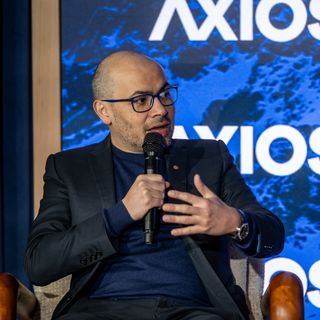
Exclusive: DeepMind CEO “surprised” OpenAI moved so fast on ads

BIAS: Center
RELIABILITY: High

Political Bias Rating

This rating indicates the source’s editorial stance on the political spectrum, based on analysis from Media Bias/Fact Check, AllSides, and Ad Fontes Media.

Far Left / Left: Progressive editorial perspective
Lean Left: Slightly progressive tendency
Center: Balanced, minimal editorial slant
Lean Right: Slightly conservative tendency
Right / Far Right: Conservative editorial perspective

Current source: Center. Stories with cross-spectrum coverage receive elevated prominence.

Reliability Rating

This rating measures the source’s factual accuracy, sourcing quality, and journalistic standards based on third-party fact-checking assessments.

Very High: Exceptional accuracy, rigorous sourcing
High: Strong factual reporting, minor issues rare
Mixed: Generally accurate but occasional concerns
Low: Frequent errors or misleading content
Very Low: Unreliable, significant factual issues

Current source: High. Higher reliability sources receive elevated weighting in story prioritization.

Axios
12:03Z

DAVOS, Switzerland — As Silicon Valley races to monetize AI chatbots, Google DeepMind CEO Demis Hassabis told Axios he was “a little bit surprised” OpenAI moved so fast on introducing ads in ChatGPT . Why it matters: Hassabis, a Nobel laureate and one of the world’s most influential AI leaders, said Google’s Gemini assistant currently has “no plans” to incorporate ads — and cautioned that rushing advertising into AI assistants could undermine user trust. OpenAI announced last week that it will begin testing advertising in the U.S.

in the coming weeks, as pressure mounts on AI giants to monetize models with soaring development and compute costs. The company says ChatGPT’s responses won’t be influenced by advertisers, but that users’ conversations — while remaining private — will shape the a

Continue reading at the original source

Read Full Article at Axios →