
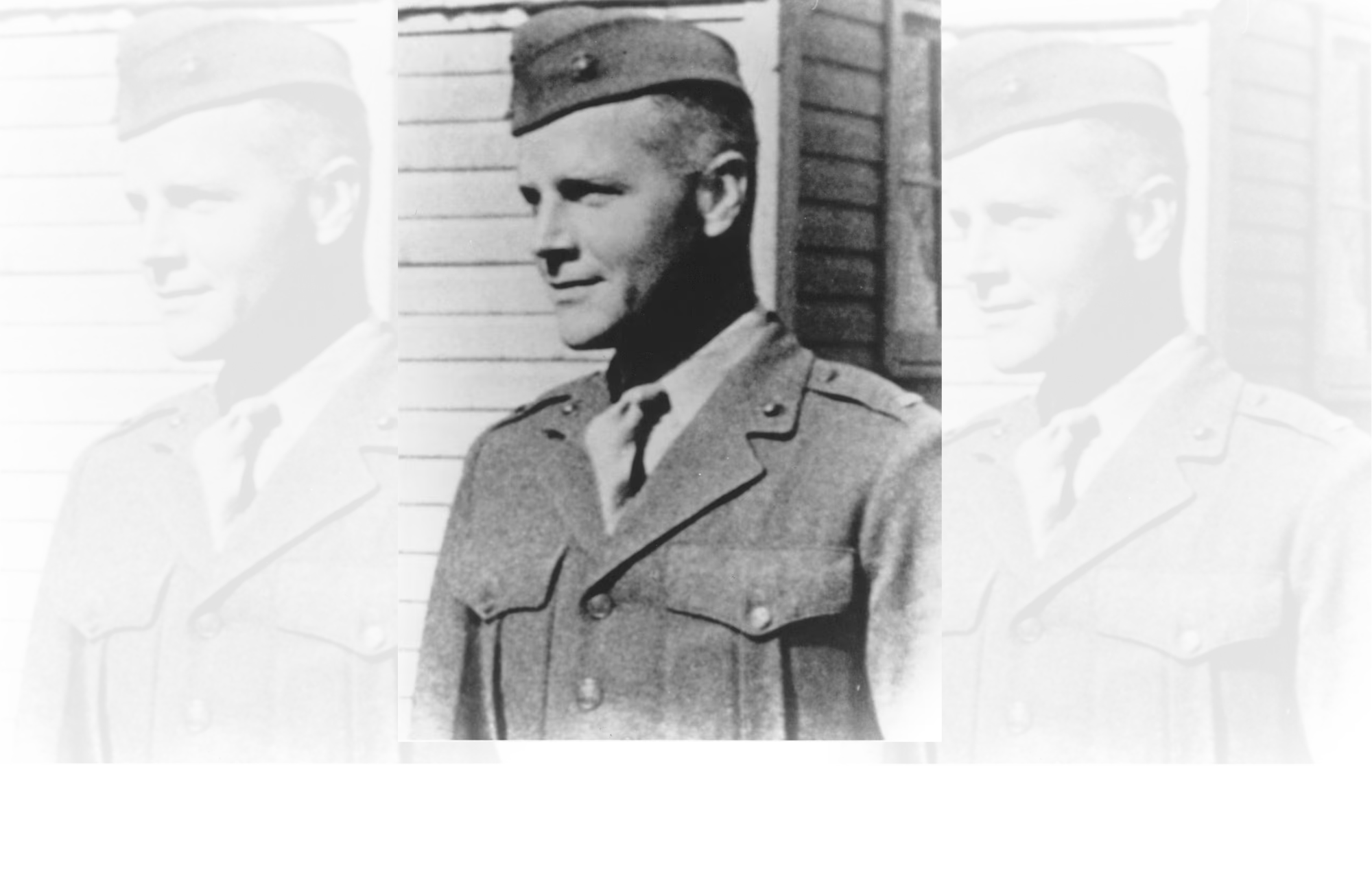
This Marine’s furious fight on Tarawa helped to seal the battle’s fate

BIAS: Center
RELIABILITY: Low

Political Bias Rating

This rating indicates the source’s editorial stance on the political spectrum, based on analysis from Media Bias/Fact Check, AllSides, and Ad Fontes Media.

Far Left / Left: Progressive editorial perspective
Lean Left: Slightly progressive tendency
Center: Balanced, minimal editorial slant
Lean Right: Slightly conservative tendency
Right / Far Right: Conservative editorial perspective

Current source: Center. Stories with cross-spectrum coverage receive elevated prominence.

Reliability Rating

This rating measures the source’s factual accuracy, sourcing quality, and journalistic standards based on third-party fact-checking assessments.

Very High: Exceptional accuracy, rigorous sourcing
High: Strong factual reporting, minor issues rare
Mixed: Generally accurate but occasional concerns
Low: Frequent errors or misleading content
Very Low: Unreliable, significant factual issues

Current source: Low. Higher reliability sources receive elevated weighting in story prioritization.

Marine Corps Times
14:44Z

After the U.S. Marine raid on Makin Island on Aug. 17-18, 1942, Japanese garrisons in the Gilbert and Marshall islands got to serious work reinforcing their commands.

These took different natures, with differing effectiveness. In the case of Tarawa Atoll in the Gilberts, the defenses focused on some 500 positions, combining solid concrete, resilient coconut logs and the sand that made up the island. Central to the defenses was a mammoth bunker capable of accommodating 150 troops and an airfield in the middle of Betio, the largest island in the Tarawa group.

When he arrived on July 20, 1943, to take command of some 5,000 men of the Special Naval Landing Force, Rear Adm. Keiji Shibazaki had boasted that it would take a million men and 100 years to take the island. The Marines took it in thre

Continue reading at the original source

Read Full Article at Marine Corps Times →